KPMG: 900 people over four days
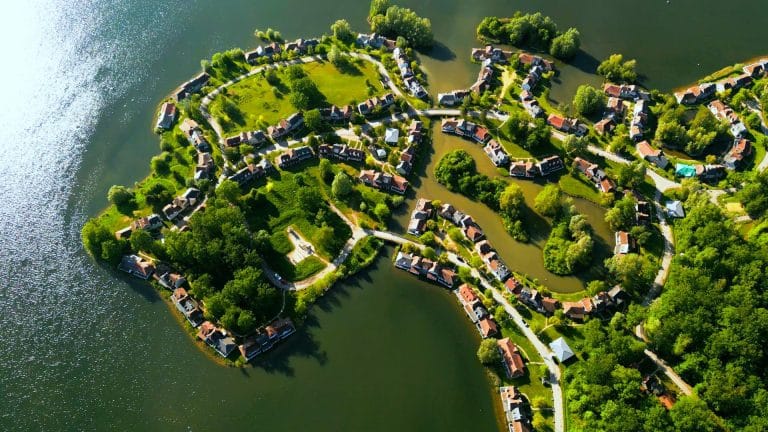
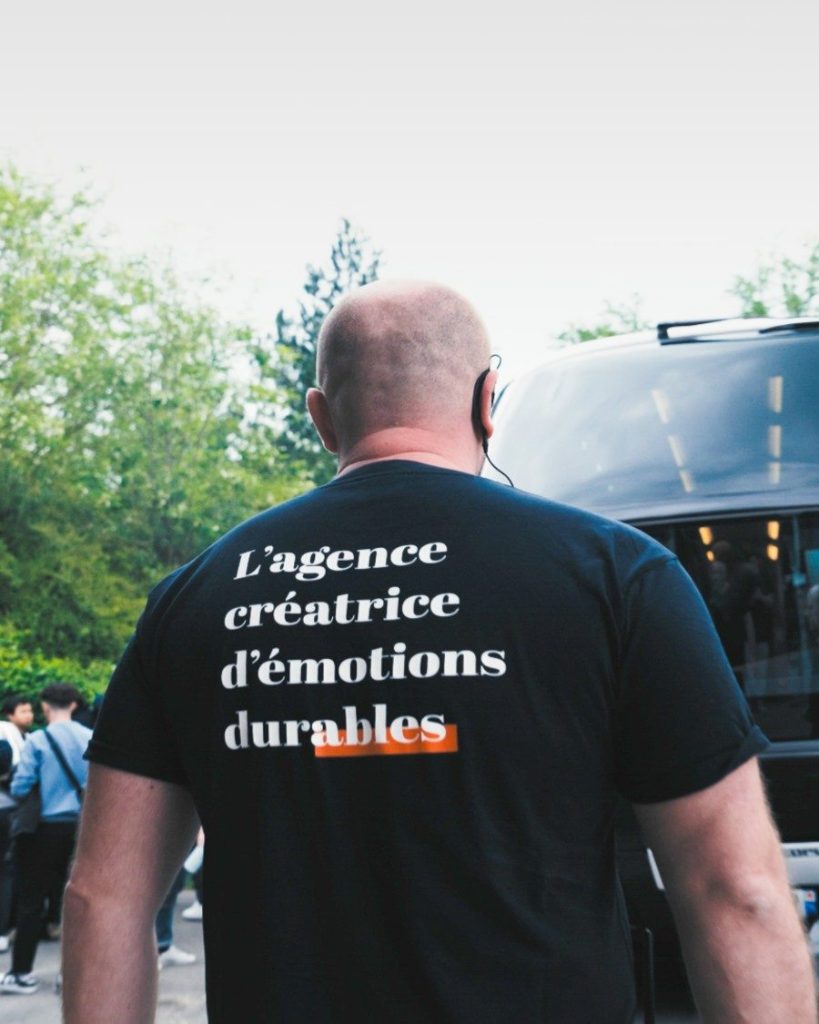
The France seminar of a Business Unit at Center Parcs Lac d’Ailette, with shuttles from Paris and the regions.
View the case study

The event brief is the document that describes your corporate event project (goals, participants, format, dates, venue, budget, constraints) so that the agency and the venues reply to you on the same basis.
Here is what it contains, with examples from our events, and how it differs from an initial brief or a tender. To entrust us with your project, you don’t need one: a few lines or a call are enough, and we build the brief with you.
The event brief, or event specification, is the written document that describes an event project (goals, participants, format, dates, venue, budget, constraints) before consulting agencies and venues. It does not yet propose solutions: that is the job of the agency and the venues that will reply to you.
It serves you in three ways:
A good test: does the document answer “what, why, for whom, where and when” (the 5 Ws rule)? If so, it does its job, even if it is short.
An event brief template fits into ten sections, in this order: the first ones frame the next. Most are illustrated with an example from an event we have organised.
These sections serve as a framework. Nothing requires you to fill them all in before contacting an agency: some of them take shape during the first conversation itself.
The brief expresses the need, the event specification puts it in writing section by section, and the tender has several agencies compete on the basis of that document.
To decide between the answers, verifiable criteria then come into play: references in your format, a dedicated project manager, handling the unexpected. Our guide to choosing an event agency sets out seven of them, with a six-step tender process and a comparison grid.
The event timeline and the run of show for the big day come next: preparing them is the agency’s job.
You don’t need a written brief to request a quote from us: a few lines on our form or a call are enough, and we build the brief with you. In the first conversation, we start from five key points:
Does your company already have an event specification or is it launching a tender? It gives us a starting point, and we respond to agency tenders.
Depending on the format, a different section matters most.
For a corporate retreat, accommodation, journeys, workshop rooms and free time carry the most weight.
For KPMG, 900 people over four days, “a venue able to host the whole group, and organised transfers for everyone” came before everything else.
Our 7 steps to organising a corporate retreat set out the whole process.
For a company convention or a day meeting, technical set-up, speeches and audience flow matter most. When procurement is involved, the convention often goes through a tender, and we respond to these.
For a corporate evening event, the atmosphere and guest feedback guide the choice.
For team building, everything starts from the group’s profile and what the team should experience together.
For a brand activation at a festival, two sets of specifications come together: the organiser’s (location, set-up, safety) and the brand’s (message, target audience).
Holy thus entrusted us with “the whole tasting set-up: the location, the caravan customised in its colours, the communication materials and the team on site”.
For a small leadership group or a project outside France, our pages leadership retreat and corporate retreats abroad complete this guide.
You don’t need any document: a few lines on our form or a call are enough. Here is what happens next:
Our event support, step by step, explains how we follow your project from A to Z. To get started, a few lines about your project or a call on +33 1 84 25 71 42 are enough.
This guide was written by the Weevup team, an event agency for companies founded in Paris in 2015 and based in Le Vésinet (Yvelines).
Corporate retreat, conference, kick-off, day meeting, team building: six projects that companies have entrusted to us.
The France seminar of a Business Unit at Center Parcs Lac d’Ailette, with shuttles from Paris and the regions.
View the case study
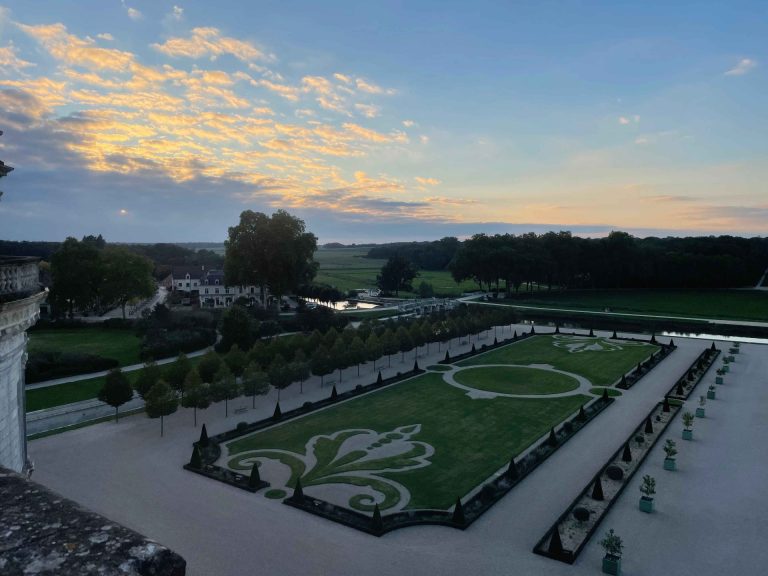
A clear goal, “share and strengthen the bonds between partners”, and a highlight for each expectation in the brief.
View the case study
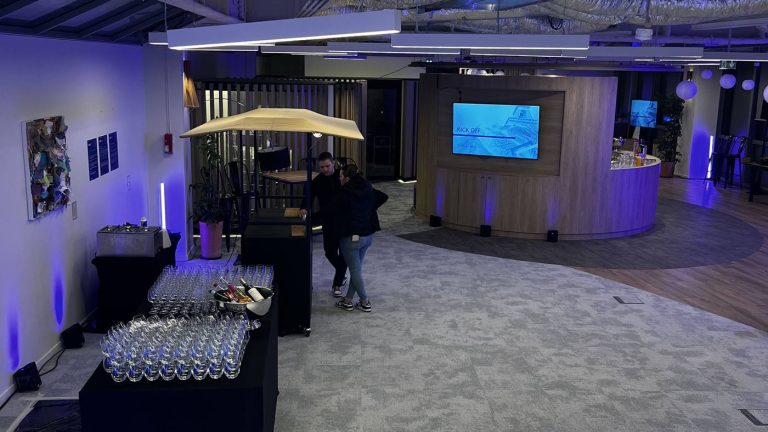
Annual kick-off in Scalian’s offices in Neuilly-sur-Seine, marking the opening of a new space.
View the case study
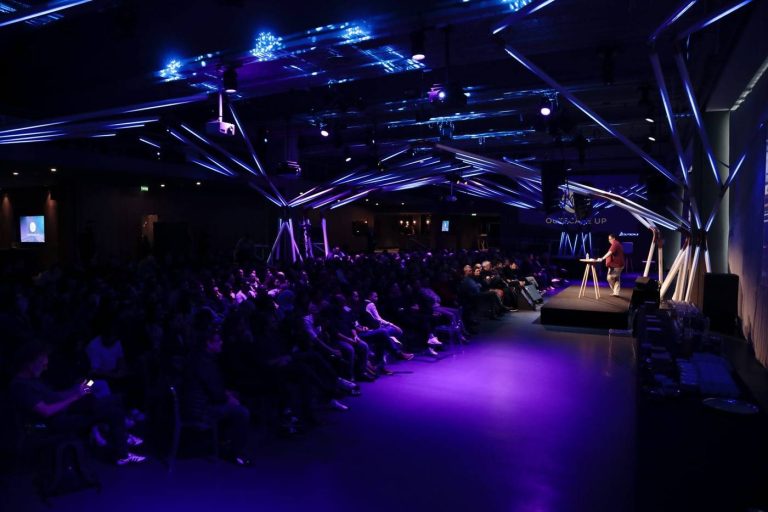
Annual conference at T7 in Paris, with Q&A sessions in front of the executive committee in 10 groups of around thirty people.
View the case study
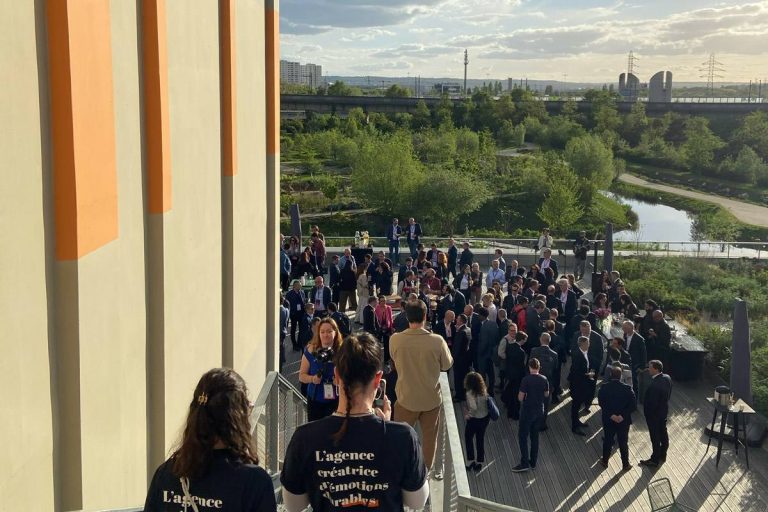
A day meeting at the Comet Arboretum, then after-work drinks on the rooftop, with the plenary room kept as a fallback.
View the case study
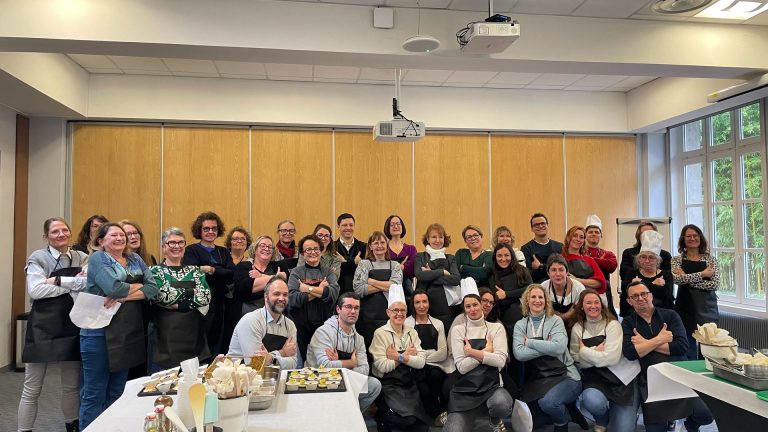
A cooking challenge for 37 people from the R&D team, at its premises in Marnes-la-Coquette, after a plenary.
View the case study
The event brief is the written document that describes an event project before consulting an agency or venues: background, goals, participants, format, dates, venue, indicative budget, programme, technical needs, CSR criteria and decision timeline.
It does not yet propose solutions. It sets the common framework for all replies, which lets you compare proposals on the same basis and align your internal teams.
No. A few lines on our form or a call are enough: at Weevup, we build the brief with you. In the first conversation, we start from the type of event, the number of participants, the period, the city or region and the goal, then ask the right questions.
Yes: an event brief generally follows ten sections, from background to decision timeline. We present them in this guide, with examples from our events.
At Weevup, you don’t have to fill it in: we build the brief with you on the first call, starting from a few lines.
The brief is the short presentation of a need, often spoken or in a few lines: the goal, the audience, the general intention. The event specification is its written, structured version, section by section, which serves as the reference for every proposal.
In practice, the brief starts the discussion with the agency, and the specification is then completed with the agency, during the first conversation.
At Weevup, we build the brief with you, on the first call: a few lines or a conversation are enough to get started. We ask the questions still missing, flag the points that need a decision and translate your expectations into concrete criteria for venues.
For a tender, the company often writes the event specification with its procurement team, to consult several agencies on the same basis; we respond to these tenders.
With you, on the first call: at Weevup, we build this brief from your headcount, your dates and your goal.
It follows the ten sections of an event brief and details what sets a corporate retreat apart: accommodation, journeys, workshop rooms, activities and free time, confidentiality for a leadership team.
It helps, even as an overall figure: an indicative budget makes it possible to propose the right level of venue, catering and programme straight away. If it is not yet set, we discuss it together in the first conversation.
At Weevup, we then present several venues side by side, each costed line by line.
The most common ones: a goal that is too vague, a solution imposed instead of a need, no budget indication, or a missing decision timeline. The proposals you receive then become hard to compare.
At Weevup, we spot these points on the first call and clarify them with you, before looking for venues.
Weevup is an event agency for companies, based in Le Vésinet, just west of Paris. We design your corporate retreats, conferences and corporate parties in Paris, across France and abroad.