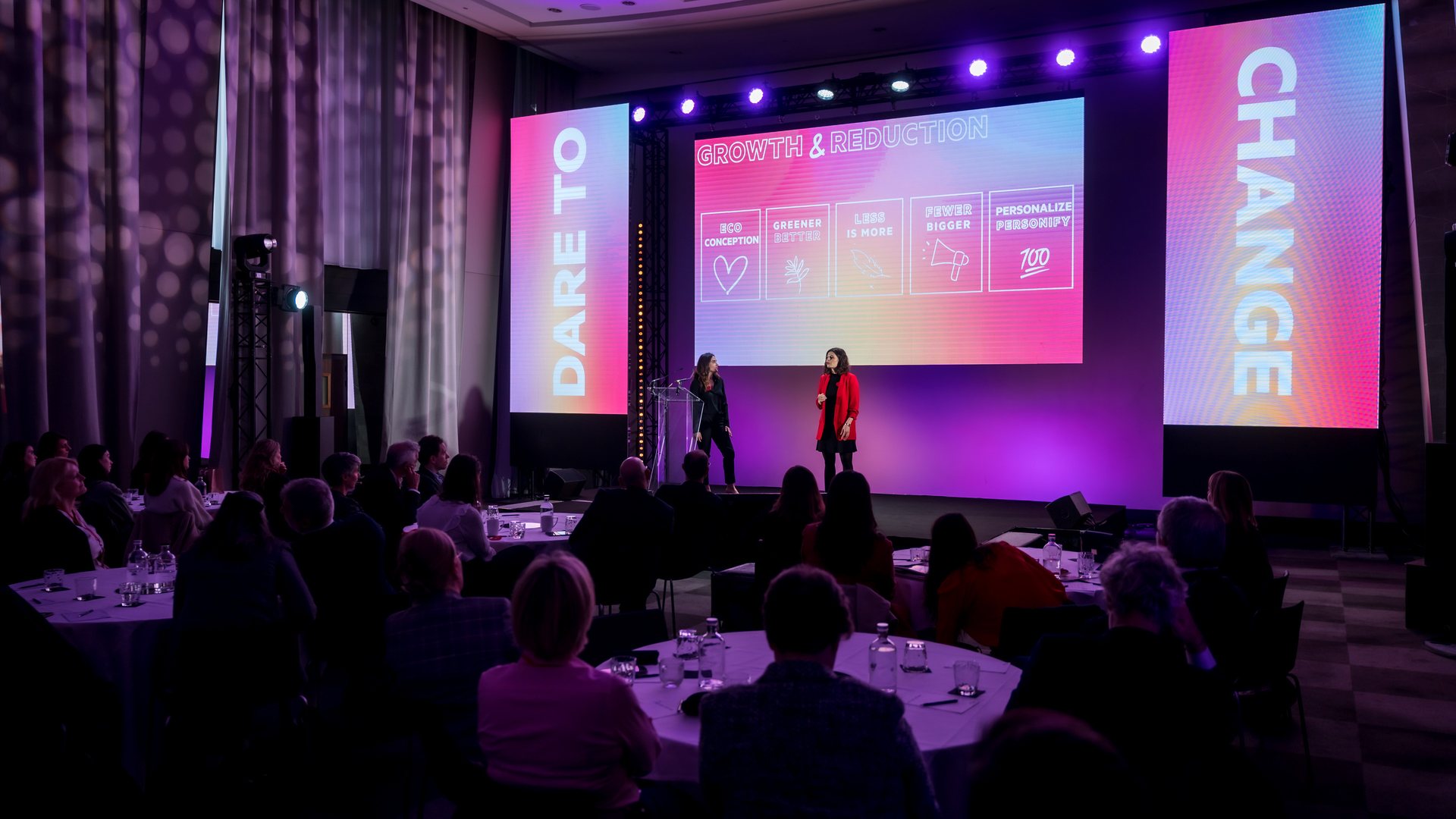
A sustainable corporate retreat, also called a CSR or eco-friendly retreat, is a company seminar whose planning choices do your teams good and lighten its impact: the destination and travel, the venue, the meals, the activities and the keepsakes.
At Weevup, we build these choices with you in six steps, without weighing down the programme or lecturing anyone. Nothing is imposed: you choose what suits you.
This method applies to every turnkey or bespoke corporate retreat we organise, from a one-day countryside retreat to a residential seminar. It relies on our “positive notes”, flagged with a heart in every proposal.
It is how we work as a CSR event agency, holder of the EcoVadis silver medal (June 2026), which places us among the top 15% of companies assessed.
- A sustainable retreat is built item by item: travel, venue, meals, activities, keepsakes.
- Train travel, group transfers and walking on site often make the biggest difference.
- Every option is suggested, never imposed: you keep the ones that suit you.
- A few simple indicators then let you tell the story of what was done.
What is a sustainable corporate retreat, and why organise one?
A sustainable corporate retreat puts your company’s corporate social responsibility (CSR) into practice. Most often, it keeps its plenary sessions, workshops and evening event: it is the way it is organised that reflects your commitments. It can also make CSR its subject, to share your roadmap with your teams.
It is also called a responsible retreat, a sustainable or sustainability seminar, or a green meeting.
At an eco-friendly retreat, the choices speak for themselves: a train journey, a hotel where everything is within walking distance, a seasonal menu, a charity activity.
Why organise one? To raise your teams’ awareness, strengthen their team spirit around a shared action and enhance your employer brand.
Our advice: aim for progress rather than a perfect retreat. Two or three well-made choices are worth more than a long list of constraints, and your teams remember them.
How do you organise a sustainable corporate retreat, step by step?
Here are the six steps we follow with you, from the first conversation to the big day.
- Objectives and priorities. We start with what matters to you: raising your teams’ awareness, travel, local roots, meals, inclusion, or all of these at once. Your proposal then details each option, so that you can choose with complete clarity.
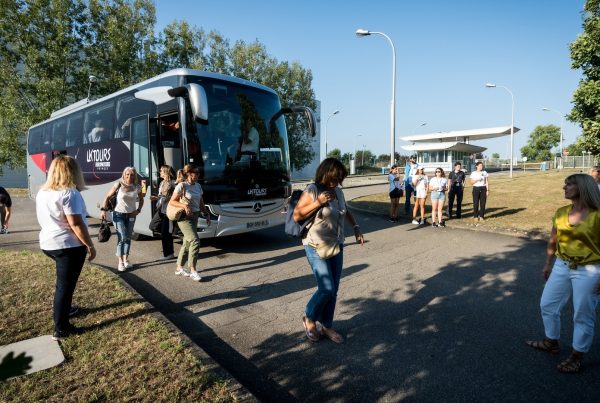
- A nearby destination, served by train. A city easy to reach from your offices, by direct train where possible, then group transfers by coach or shuttle from the station. For teams from several cities, a central location makes everything simpler. Our ideas for retreat destinations easy to reach by train.
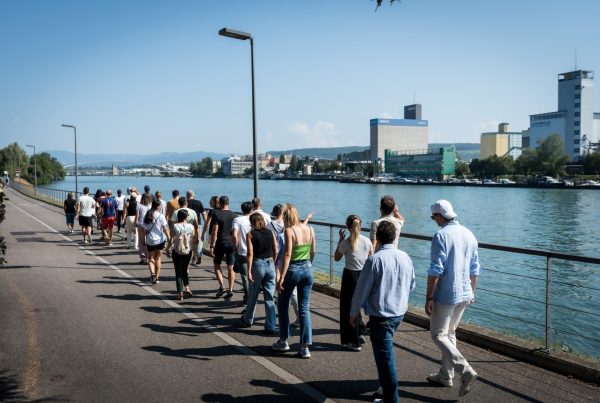
- A venue where everything is within walking distance. A sustainable retreat venue is above all a hotel or estate with meeting rooms, restaurant and accommodation, or a district where everything is close by. On site, walking or cycling replaces transfers: here is how to plan active travel during a retreat.
- Seasonal meals, with a charitable touch. Committed, local suppliers, fresh produce, plenty of vegetarian dishes and well-judged quantities. A community-run, inclusive restaurant or a social caterer with refugee cooks brings a lovely story to the table, and a charity can collect any unserved dishes.
- Activities with meaning. A treasure hunt in the great outdoors, a litter pick on a beach or in a forest, a Climate Fresk, a workshop with a local charity: team spirit is built by doing things together. More ideas for charity team building with a local organisation.
- Useful keepsakes, or no goodies at all. Regional produce, a tasting at a local producer’s, an object everyone makes on site or a charity gift voucher. Digital invitations and programmes limit printing, and hired or reused decor does the rest. Our tips for choosing goodies people actually use.
Which CSR activities suit a sustainable corporate retreat? Our 7 ideas
A successful CSR activity is first and foremost a great team moment. We choose it with you according to your group, your venue and the message you want to share, then give it its place in the programme, for example right after a plenary session, to move from listening to action.
- A CSR talk. An inspiring CSR speaker on climate, inclusion or engagement opens the retreat and sets the tone for the workshops that follow. We find the speaker who will connect with your teams.
- A collaborative workshop. A Climate Fresk or a quiz, to understand together, then move on to practical ideas.
- An anti-waste challenge, aiming to throw nothing away. At its Marnes-la-Coquette premises, 37 members of a Bio-Rad R&D team split into teams for a cooking challenge against food waste.
- A litter pick. On a beach, in a forest or in town, your teams take action together, guided by a local organisation.
- An upcycling workshop. In teams, your colleagues turn cardboard, bottle tops and fabric scraps into an artwork that reflects your company: this is recycled art.
- A charity walk. At Elanco’s annual sales seminar, 350 employees took part in a Handi chien walk, a convivial moment that was much appreciated.
- A project with a charity. Parcels prepared for a charity, or gifts wrapped with an ESAT (a French sheltered-work organisation): everyone sees the result of their effort.
So that everyone feels involved, here is also how to get your participants on board with a CSR initiative.
What does a sustainable corporate retreat look like? Examples from our events
A responsible retreat can also be planned on a very large scale. Whatever the size of the group, a single site and well-coordinated shuttles avoid individual car journeys and keep everyone together.
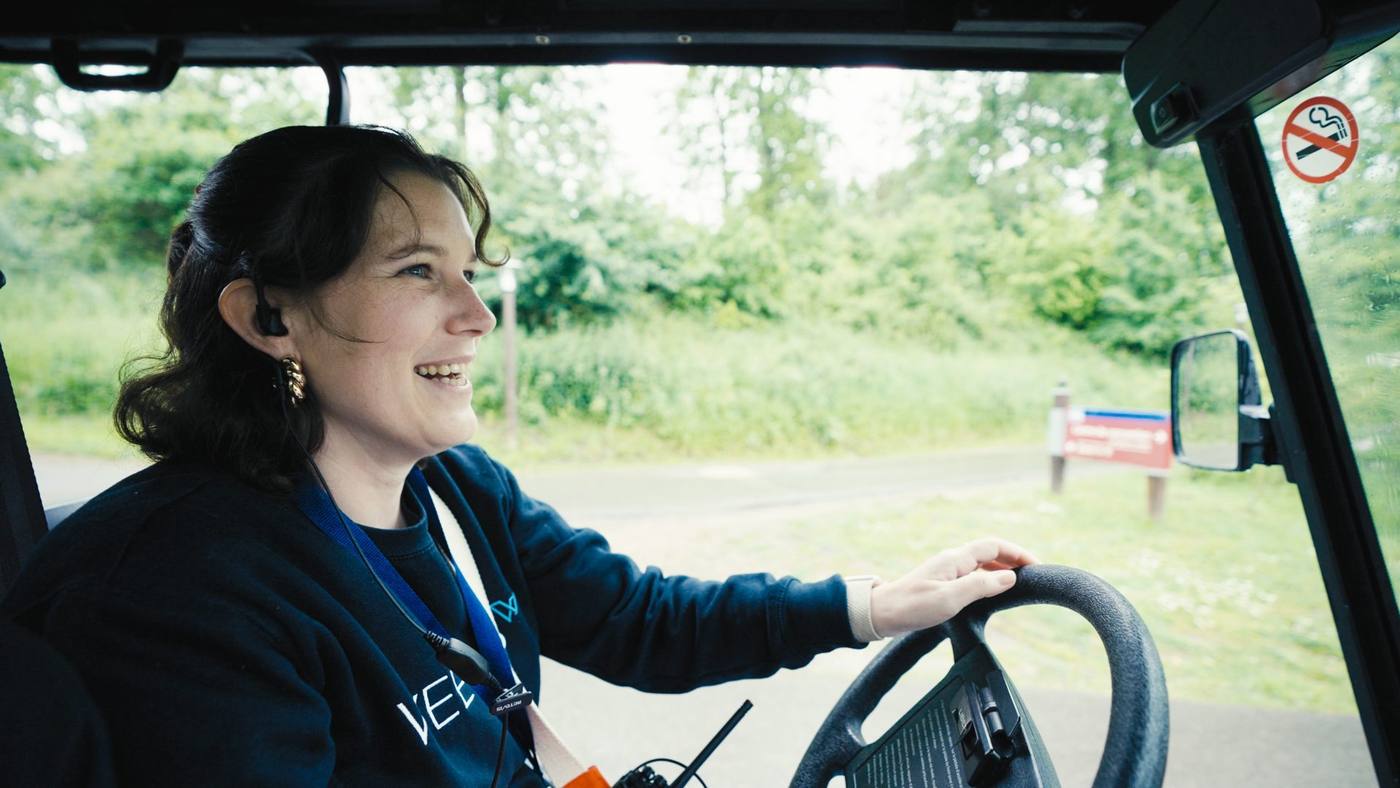
The KPMG retreat at Center Parcs: 900 participants and well-paced shuttles
For the France-wide seminar of a KPMG division, we brought together 900 people, from Paris and the regions, at Center Parcs Lac d’Ailette. An efficient shuttle rotation ensured a continuous flow, with smooth transfers between sites, and we worked closely with local suppliers.
Other events show these choices in action, from travel to the table. In Paris, SVR’s international seminar, with 125 participants, took place entirely on foot, with an electric tuk-tuk team building: hotels, dinners and entertainment were all close by, to “keep travel to an absolute minimum”.
For ELO Énergie, the Nantes and Lyon teams, 85 participants, met at EKLO Nantes, a central venue where speeches, team building and an evening event followed one another under the same roof.
Meals count too. For the University of Bordeaux, during a week-long seminar, every lunch for the 62 participants was entirely vegetarian, in line with their preferences: a choice everyone appreciated.
How can you involve your teams and make your sustainable retreat last?
To involve your teams, there is no need for a grand speech: they see the choices, from the train journey to the seasonal menu, and they take part in them during the activity. A word of welcome is often enough to explain them, without labouring the point.
After the retreat, a few indicators tell the story of what was done: the share of participants who came by train, the number of vegetarian meals, the share of hired or reused decor, the dishes collected by the charity. These figures feed your internal communications and extend the retreat’s momentum.
If you wish, we also estimate the carbon footprint from the design stage, to reduce the items with the biggest impact. The approach is detailed in our article on an event’s carbon footprint, in five steps, and our 6 levers for cutting a retreat’s footprint complete this method.
- Your priorities, shared from the first conversation
- A destination served by train, and group transfers
- A venue where everything is within walking distance
- Seasonal meals, plenty of vegetarian dishes and a charity for unserved dishes
- A meaningful activity, convivial above all
- Digital invitations and programme, hired or reused decor
- Useful goodies, a charity gift voucher, or no goodies
- A few indicators to tell the story of what was done
These sustainable retreat ideas also apply to company conferences and evening events: our guide to sustainable corporate events and our tips for an internal conference that lightens its impact cover them in detail.
Sustainable corporate retreat: frequently asked questions
Because it brings your commitments to life instead of just talking about them. Your teams see practical choices, from travel to the plate, and share a meaningful activity: team spirit benefits, and your CSR approach becomes visible internally. We build these choices with you, without taking anything away from the experience.
Most often, the format stays the same: plenary sessions, workshops, activities, evening event. It is the planning choices that change, from travel to meals, to reflect your company’s commitments without weighing down the programme. If you wish, CSR can also become the subject of the retreat.
Not necessarily. The cost of an eco-friendly retreat depends mainly on your headcount, the destination, the venue and the programme, as with any retreat. We build the project around your budget, item by item, and each option is detailed in our proposal: you keep the ones that suit you.
Yes. If you wish, we estimate the carbon footprint from the design stage to identify the items that weigh most, then gather the data after the retreat. The indicators chosen depend on your priorities.
Yes, we organise them whatever the size of the group, from the leadership team to a very large seminar. The effort focuses first on the venue and travel: a site that hosts everyone and well-coordinated shuttles. For KPMG, we brought together 900 participants at Center Parcs Lac d’Ailette.
Yes, we gladly build it into the programme, just like the plenary session or the evening event. We find the CSR speaker suited to your topic, climate or inclusion for example. As an opener, their talk sets the tone for the workshops where everyone moves on to practical ideas, and so feeds the whole retreat.
We suggest a destination close to your offices or easy to reach by train, then a venue that brings together meeting rooms, meals and accommodation, to limit transfers. In Paris, we organised SVR’s international seminar entirely on foot, between nearby hotels, dinners and entertainment.
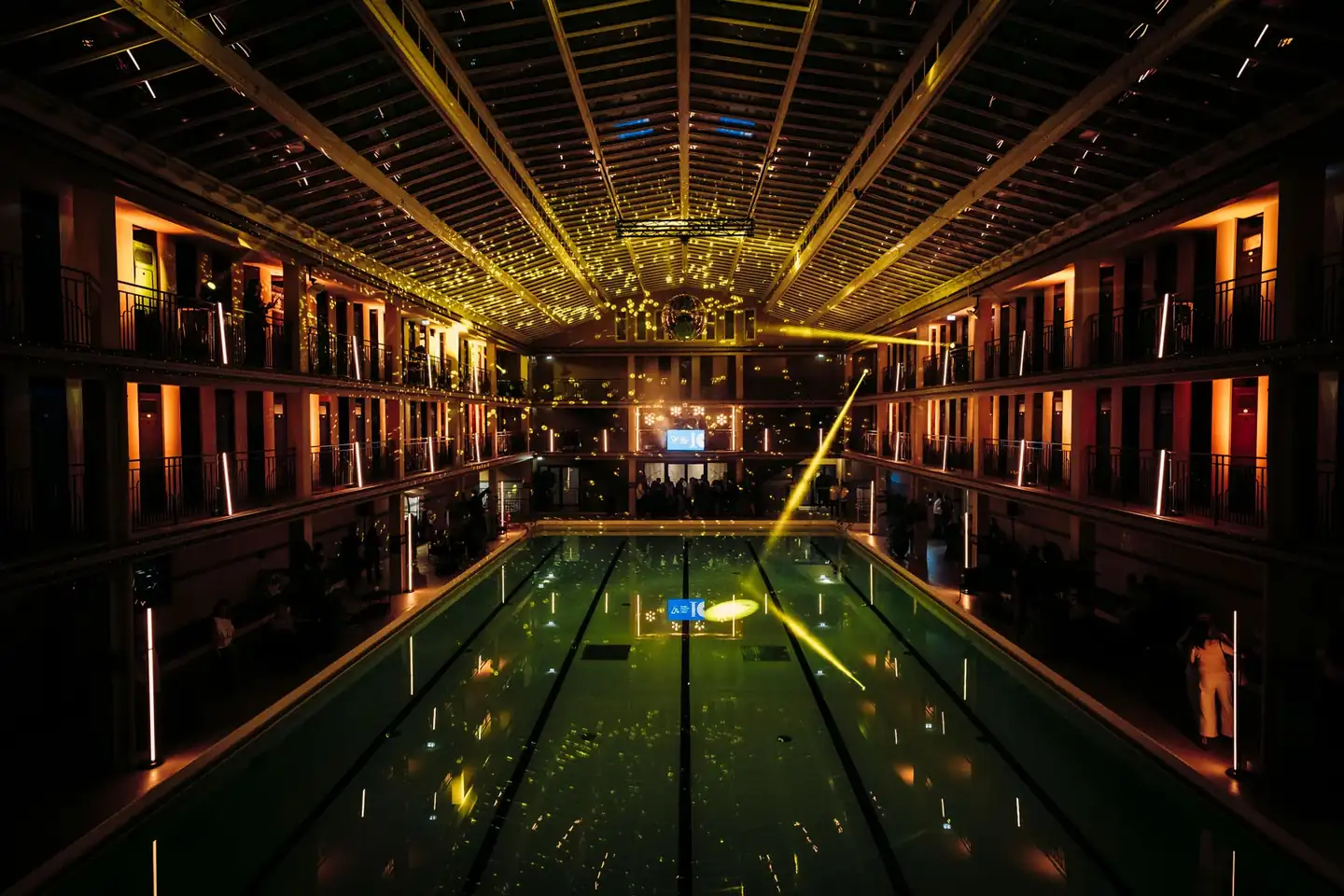
A venue that is easy to reach, with meeting rooms, meals and accommodation, so that everything can be done on foot. For ELO Énergie, EKLO Nantes, central for the Nantes and Lyon teams, hosted speeches, team building and an evening event. A label such as Green Key or ISO 20121 certification adds a benchmark.
The ones that matter to your company: we adapt to your priorities. Climate and biodiversity, inclusion, waste, local roots or responsible purchasing can be covered in a talk, a collaborative workshop or a charity activity, without weighing down the programme.
By staying practical. We present each option to you, then gather a few simple indicators: your communications only talk about what was actually done. Two or three visible choices, such as a seasonal menu or group transfers, are worth more than a big promise.
Your sustainable corporate retreat with Weevup
Weevup, an event agency founded in Paris in 2015 and based in Le Vésinet (Yvelines), organises your corporate retreats, conferences and evening events in Paris, in the Île-de-France region, across France and abroad. EcoVadis silver medal (June 2026).